The modern workplace has evolved dramatically over the past decade, driven by a wave of technological innovation. Among the most transformative technologies reshaping industrial operations today is AI-powered vision inspection. Once considered a niche tool for high-end manufacturing, vision inspection has become an essential part of how industries ensure quality, improve efficiency, and enable smarter decision-making.
In this blog, we’ll explore how vision inspection technology is revolutionizing the workplace, its impact on human roles, and what it means for the future of manufacturing and quality assurance.
1. From Manual Inspection to Intelligent Automation
Traditionally, quality inspection was a labor-intensive process. Teams of inspectors would visually examine each component or product for defects—a method prone to fatigue, subjectivity, and inconsistency. As production volumes increased, maintaining accuracy became more challenging.
Enter AI-based vision inspection systems. Using advanced cameras, sensors, and deep learning algorithms, these platforms can detect defects, deviations, and irregularities with remarkable precision. They analyze images or video feeds in real time, identifying issues that even the human eye might miss.
This shift doesn’t just improve accuracy—it completely transforms how workplaces operate. Routine inspection tasks are automated, freeing human workers to focus on process optimization, data analysis, and system management.
2. Enhancing Productivity and Efficiency
One of the most immediate benefits of implementing vision inspection technology is productivity. Machines equipped with computer vision can inspect thousands of items per minute without breaks or errors.
In industries such as electronics, automotive, food processing, and pharmaceuticals, this means higher throughput and less downtime. Automated inspection systems ensure that every product meets defined quality standards before leaving the line—reducing rework, waste, and customer complaints.
Moreover, because these systems operate in real time, they enable faster feedback loops. Operators can identify where defects occur in the production process and adjust parameters immediately, preventing costly errors from compounding downstream.
3. Data-Driven Decision Making
Beyond defect detection, modern vision inspection systems are powerful data generators. Every inspection creates valuable data on production quality, trends, and anomalies.
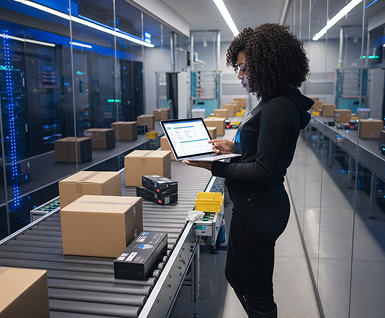
When integrated with enterprise resource planning (ERP) or manufacturing execution systems (MES), this data provides a deeper understanding of performance across the production chain. Managers and engineers can use insights from visual inspection analytics to:
- Identify recurring quality issues
- Predict equipment failures through pattern recognition
- Optimize processes for higher yield
- Implement preventive maintenance based on actual data
This integration turns the workplace into a smart, connected environment, where decisions are based on real-time insights rather than assumptions.
4. Improving Workplace Safety and Employee Roles
A common misconception about automation is that it replaces human workers. In reality, technologies like vision inspection often enhance human roles rather than eliminate them.
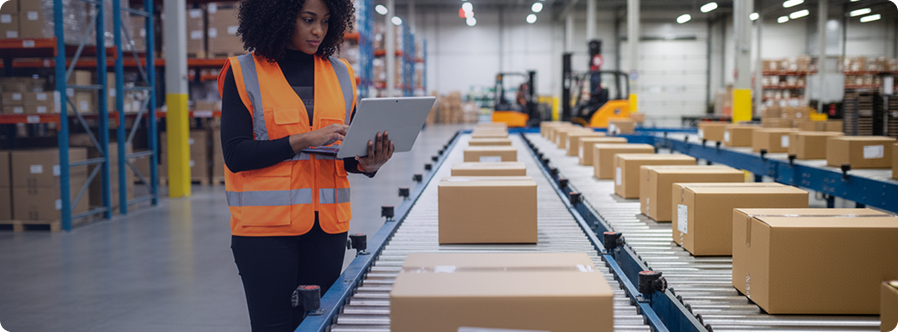
By automating repetitive and error-prone inspection tasks, employees are relieved from monotonous, physically demanding, or hazardous work. They can instead focus on tasks that require critical thinking—such as system monitoring, maintenance, or data interpretation.
Additionally, AI vision systems improve workplace safety. They can monitor environments for safety compliance—detecting issues such as incorrect PPE usage, equipment malfunctions, or unsafe behaviors in real time. This creates safer, more compliant workspaces without constant manual oversight.
5. Quality and Consistency as Competitive Advantages
In today’s market, customers expect products that meet the highest quality standards. A single defect can damage a brand’s reputation. Vision inspection ensures consistent, reliable quality control, giving companies a competitive edge.
Whether it’s ensuring flawless smartphone screens, perfectly sealed packaging, or precise automotive components, vision inspection systems maintain the same accuracy 24/7. This consistency enhances brand trust and customer satisfaction while reducing warranty claims and returns.
6. The Future of Work with Vision Inspection
As technology continues to advance, the role of vision inspection will only grow more significant. The next generation of systems will feature:
- Edge AI processing for faster, on-site analysis
- Cloud connectivity for centralized data monitoring
- Self-learning algorithms that adapt to new product variations
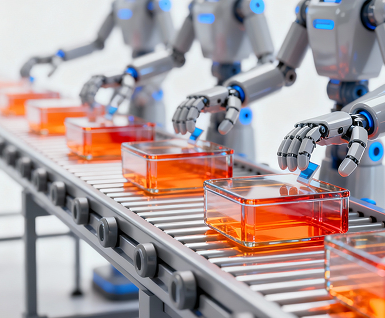
- Integration with robotics and cobots for fully automated inspection workflows
In this evolving landscape, the workplace will become even more connected, intelligent, and efficient. Employees will work alongside smart systems that continuously learn, optimize, and deliver insights—transforming quality control into a strategic advantage rather than a bottleneck.
Conclusion
Technology is redefining the workplace, and AI-driven vision inspection stands at the forefront of this transformation. By automating routine inspection tasks, generating actionable data, and ensuring consistent quality, it’s reshaping how industries operate—from production floors to executive offices.
Rather than replacing human expertise, vision inspection empowers it—creating smarter, safer, and more efficient workplaces built on precision and innovation